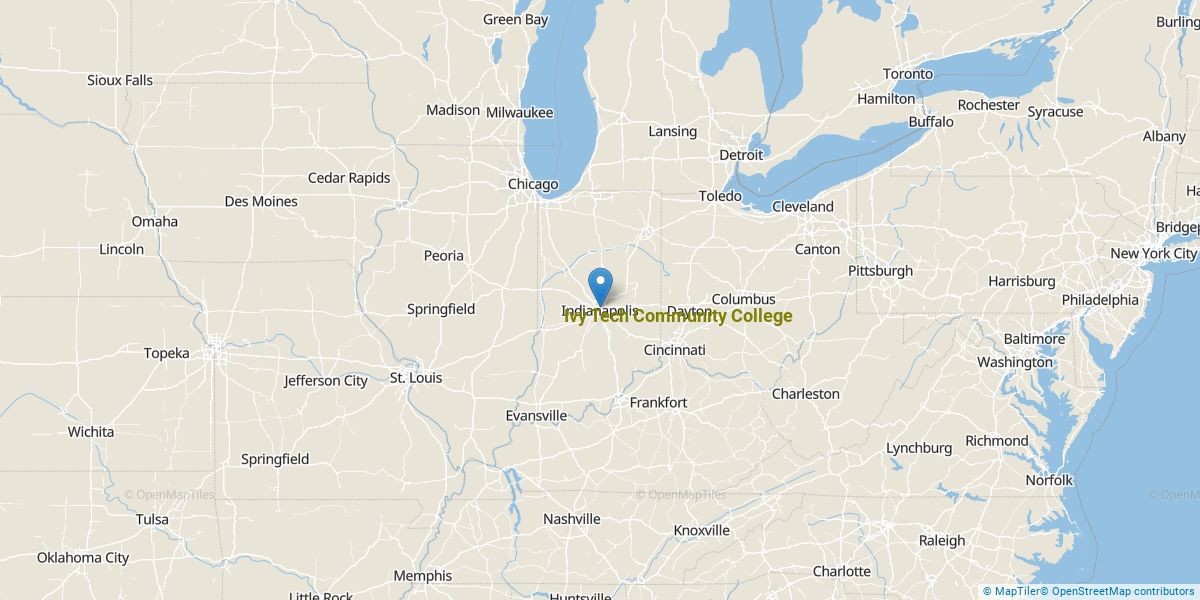
Indiana’s largest community college system isn’t just big—it’s accessible. With more than 70 physical locations across the state, Ivy Tech Community College brings affordable education, career training, and university transfer pathways within reach of nearly every Hoosier. Whether you're a high school graduate, working adult, or someone looking to change careers, choosing the right campus can make all the difference.
But with so many locations, how do you know which one fits your goals? This guide cuts through the noise, offering a practical look at Ivy Tech’s campus network, what each location offers, and how to pick the best one for your needs.
Why Location Matters at Ivy Tech
It’s tempting to assume all community college campuses are interchangeable. They’re not—especially in a decentralized system like Ivy Tech. While core curriculum standards are consistent, campus-specific offerings vary significantly based on regional workforce demands, facility capabilities, and community partnerships.
For example: - The Indianapolis–Colvin Avenue campus specializes in health sciences and nursing, with simulation labs that mirror hospital environments. - Fort Wayne offers robust advanced manufacturing and engineering tech programs, supported by local industry ties. - South Bend emphasizes IT and cybersecurity, with labs funded by regional tech initiatives.
Choosing a campus aligned with your career path means access to better labs, internships, and job placement support. It also impacts your daily logistics—commute time, parking, class availability, and support services.
A common mistake: Enrolling at the nearest campus without checking program availability. Some programs are only offered at select campuses or in hybrid formats. Always verify your desired program is taught at your preferred location.
Breakdown of Major Ivy Tech Campus Regions
Ivy Tech organizes its network into academic service areas, each serving multiple counties. These aren’t just administrative zones—they reflect curriculum focus and resource allocation.
Here’s a look at the key regions and what makes them distinct:
Central Indiana (Indianapolis & Surrounding Counties) The largest concentration of Ivy Tech campuses, serving Marion, Hamilton, Hendricks, Morgan, and Johnson counties. The Indianapolis campus is the flagship, offering the widest range of programs—from associate degrees in business to applied science in radiography.
Notable features: - Strong partnerships with IU Indianapolis for seamless transfer - On-site childcare at select campuses - Evening and weekend classes tailored for working adults
Northern Indiana Includes Fort Wayne, South Bend, Elkhart, and surrounding areas. This region emphasizes advanced manufacturing, automation, and IT—reflecting the industrial base of northern Indiana.
Practical example: The Elkhart campus partners with local RV manufacturers to train technicians in composite materials and electrical systems—skills in high demand.
Southern Indiana Covers Evansville, Terre Haute, Columbus, and New Albany. Known for healthcare and public service programs, many campuses here feed directly into regional hospitals and school districts.
At the Evansville campus, students can complete clinical rotations at Deaconess or Ascension hospitals—giving them real-world experience before graduation.
East Central & Northeast Indiana Serving cities like Muncie, Richmond, and Hartford City, this region focuses on agriculture, energy systems, and transportation technology. The Richmond campus, for instance, offers aviation maintenance training with access to a working airport.
How to Find the Right Ivy Tech Campus for You
Picking a campus shouldn’t be based on proximity alone. Use these four filters to make an informed decision:
1. Program Availability Check the official Ivy Tech program finder tool. Search by career interest (e.g., “nursing” or “IT support”) and filter by campus. If your program isn’t offered locally, explore hybrid or online options with limited on-site requirements.
Tip: Some programs, like dental hygiene or surgical technology, require in-person labs and clinicals. These are only available at select campuses.
2. Class Format and Schedule Not all campuses offer night, weekend, or accelerated courses. If you work full-time, confirm class times match your availability. The Lafayette campus, for example, offers “fast-track” nursing cohorts that complete in 12 months with evening/weekend labs.
3. Support Services Access Look beyond classrooms. Does the campus have:
- Free tutoring?
- Career counseling?
- Disability support?
- Food pantry or emergency aid?
Larger campuses like Fort Wayne and Indianapolis have full-service student centers. Smaller locations may offer virtual support or limited walk-in hours.
4. Transportation and Parking Even if public transit is available, evaluate commute time during peak hours. Some campuses, like Columbus, offer free parking and bike storage. Others in dense urban areas (e.g., Indianapolis) may charge for parking or require permits.
Smaller Locations: Hidden Advantages
While flagship campuses get the most attention, smaller Ivy Tech locations offer underrated benefits:
- Smaller class sizes: More direct access to instructors
- Faster service: Shorter lines for advising and registration
- Community ties: Strong local employer connections
Take the Jasper campus, serving a rural county with limited higher education access. It offers welding and mechatronics programs with 90% job placement—thanks to partnerships with nearby manufacturers like Kimball Electronics.
These campuses often act as regional workforce hubs, tailoring curriculum to local economic needs. If you plan to stay and work in your area after graduation, starting at a smaller campus can give you a head start on networking.
Online and Hybrid Options: Location-Independent Learning
Not every Ivy Tech student needs to visit a physical campus regularly. Over 40 programs are fully online, including: - Business Administration - Information Technology - Early Childhood Education - General Studies
But even online learners benefit from knowing their “home” campus—the one assigned based on residency. This determines access to: - In-person tutoring - Library resources - Graduation ceremonies - Local financial aid advising
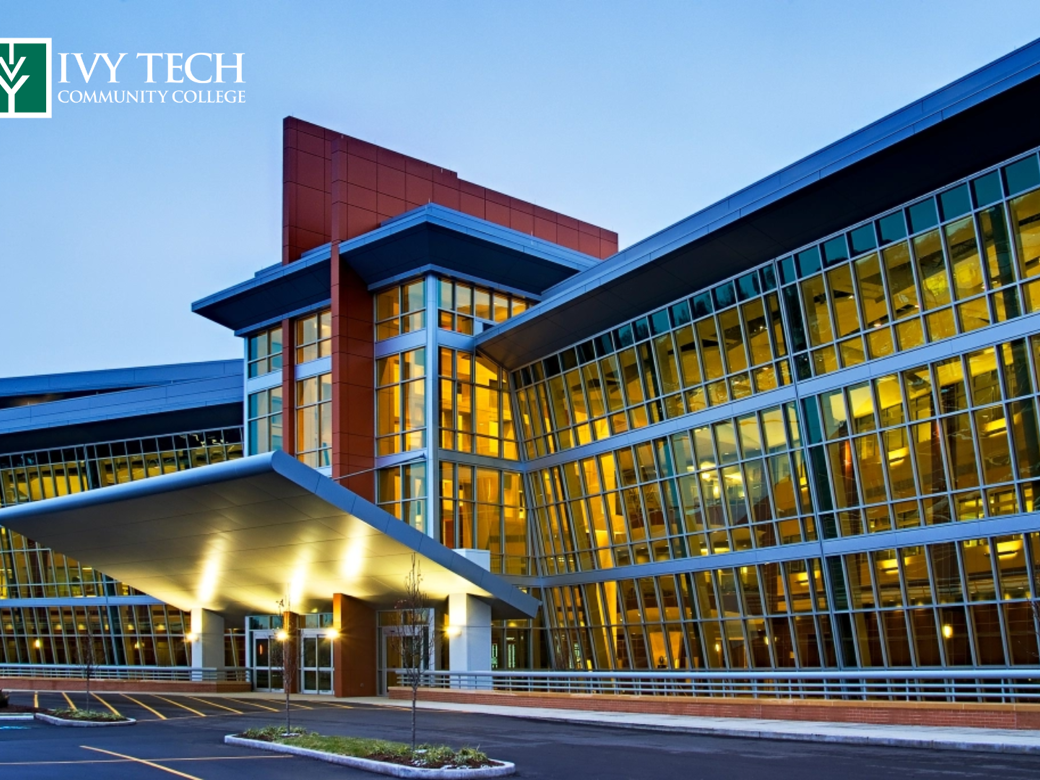
Hybrid programs blend online coursework with required on-site labs or exams. For example, the practical nursing program at the Terre Haute campus delivers lectures online but requires weekly skills labs.
Workflow tip: Use the campus locator tool on IvyTech.edu. Enter your ZIP code to see your designated campus and available programs.
Real-World Examples: Choosing the Right Path
Let’s look at two real student scenarios to illustrate how location impacts outcomes.
Case 1: Maria, Aspiring RN in Kokomo Maria lives in Howard County and wants to become a registered nurse. She assumed Ivy Tech’s Kokomo location would offer the RN program—but it doesn’t. Instead, she enrolls at the Lafayette campus, which offers the full ADN program. She commutes 45 minutes twice a week for labs and uses online lectures to study from home. The Lafayette campus also partners with Logansport Hospital for clinical rotations—closer to her home than Lafayette.
Lesson: Sometimes, the best campus isn’t the closest—but it still serves your needs with smart planning.
Case 2: James, IT Career Changer in Evansville James worked in retail for 10 years and wants to transition into IT. The Evansville campus offers a Cisco Networking Academy and CompTIA certification prep. He attends evening classes while working part-time and lands an internship with a local ISP through the campus job board. Within 18 months, he’s hired full-time as a network technician.
Lesson: Local employer relationships turn education into employment—especially at regionally focused campuses.
What to Do Before Enrolling at Any Ivy Tech Location Before committing, take these steps:
- Visit the campus—even if just for a tour. Pay attention to lab equipment, student spaces, and overall atmosphere.
- Talk to an advisor—ask about program completion rates, transfer agreements, and job placement.
- Check class availability—confirm your required courses are offered in a reasonable timeline.
- Review financial aid support—some campuses have additional scholarships or emergency grants.
- Test the commute—drive or take transit during actual class hours to gauge travel time.
Don’t skip these steps. One student in Anderson delayed enrollment for a semester because the required biology lab was only offered at 7 a.m.—a time that conflicted with her childcare schedule. A quick call to advising could have revealed alternatives.
Final Verdict: Location Is a Strategic Choice
Ivy Tech’s widespread network is a strength—but only if used strategically. The “best” campus isn’t the biggest or closest. It’s the one that: - Offers your program with minimal transfer hurdles - Fits your schedule and life demands - Connects you to jobs in your target field - Provides the support you need to succeed
With over 70 locations, Indiana residents have unprecedented access to affordable, career-focused education. But access isn’t enough. Choosing wisely turns opportunity into outcome.
Start by using Ivy Tech’s Campus Finder tool, research program specifics, and talk to advisors at 2–3 campuses that fit your goals. Then enroll with confidence—knowing your location decision was part of your success plan.
Frequently Asked Questions
What is the largest Ivy Tech campus? The Indianapolis–Colvin Avenue campus is the largest, serving as the flagship with the most programs and student services.
Can I take classes at multiple Ivy Tech locations? Yes. Students can enroll in courses at any campus, but program requirements may limit cross-campus attendance—especially for lab-based fields.
Are all programs available online? No. While many general education and business courses are online, hands-on programs like nursing, automotive tech, and culinary arts require in-person training.
How do I find my nearest Ivy Tech location? Use the campus locator on IvyTech.edu by entering your ZIP code or county.
Do all campuses offer the same support services? Core services like advising and financial aid are available everywhere, but tutoring, childcare, and emergency aid vary by location.
Can I transfer from one Ivy Tech campus to another? Yes. Transferring within Ivy Tech is straightforward, especially if staying in the same program. Notify advising to update your records.
Are there campuses without on-site classes? Some locations serve as advising centers or testing sites only. Always confirm a campus offers classes before planning to attend.
FAQ
What should you look for in Ivy Tech Community College Locations: Your Guide to Campuses Across Indi? Focus on relevance, practical value, and how well the solution matches real user intent.
Is Ivy Tech Community College Locations: Your Guide to Campuses Across Indi suitable for beginners? That depends on the workflow, but a clear step-by-step approach usually makes it easier to start.
How do you compare options around Ivy Tech Community College Locations: Your Guide to Campuses Across Indi? Compare features, trust signals, limitations, pricing, and ease of implementation.
What mistakes should you avoid? Avoid generic choices, weak validation, and decisions based only on marketing claims.
What is the next best step? Shortlist the most relevant options, validate them quickly, and refine from real-world results.